
by Avi Shapira, Rosh Shoafim 2025 (head of the division for entering 8th graders)
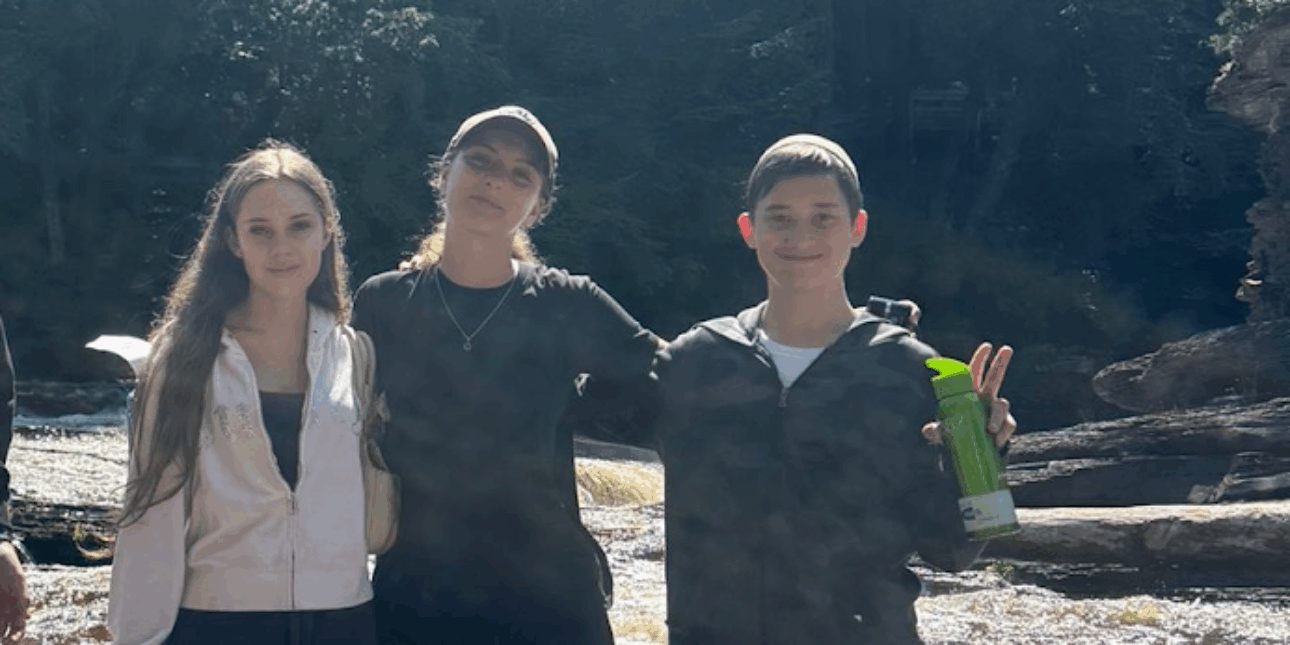
It was early in the morning, somewhere in the Upper Peninsula of Michigan on the coast of Lake Superior. It was a bit cold outside, so I decided to unzip my tent and walk across the road to the beach to have a quiet moment by the water before the campers woke up. Efraim and Misha must have had the same idea because I found them out there, standing in the rising sunlight and debating something in a language I did not understand.
If it were any other set of campers I likely would have been upset that they had decided to leave their tents early and go somewhere without telling a madrich/a (counselor). But these two kids had been at camp less than a week; it was their first time in the United States and before them was the largest freshwater lake in the world. So instead I smiled, said good morning and stood with them for a few moments as they continued their conversation. I asked them what they were speaking about and in their limited English they told me that they were debating how far out the lake went and in which direction it was going. I pulled out my phone (another thing I would not have done with any other campers) and quickly showed them a map of where we were – I pointed out that Canada was north, Chicago was south and even pointed east in the direction of Ukraine. This seemed to orient the two boys but nothing I said could describe how big Lake Superior truly is.
This was a small moment that encapsulated my overall experience with the four Ukrainian campers who joined Shoafim (entering 8th grade) this past kayitz (summer). The three and a half weeks they got to spend at Camp Ramah were transformative experiences for them, for the eidah (age group), for the tzevet (staff) and for myself. I’d be lying if I said this did not come without challenges; initiating new campers into camp life is already difficult for American campers but can be even harder to achieve with campers from other places around the world. Nevertheless, thanks to tireless efforts from my tzevet and members of the senior staff, we began to cultivate a sense of belonging among these campers and fully absorb them into our beautiful camp community.
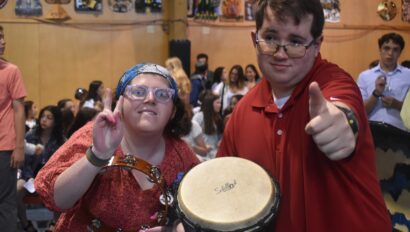
With about ten days left in the summer, Liza and Sacha asked to speak with me after lunch. I was unsure as to what they wanted to speak about and was concerned that maybe something had gone wrong. I sat down with them at the picnic table outside the chadar ochel (dining hall) and asked what was going on. They looked at each other, smiled, and began to explain to me how back home they were songleaders and loved to sing and play musical instruments. They asked if it was possible to teach the rest of the eidah some melodies they do in tefillah (prayer) back home. I was overjoyed at their comfort in asking me to do this and was thrilled to give them a spotlight to share some of the customs and traditions they brought to camp from so far away.
I truly believe that with the right support and proper guidance, any camper can thrive at Camp Ramah in Wisconsin. This can come in many forms – some of the actions we took to help integrate these campers involved printing out schedules written in Ukrainian, ensuring they were placed in chugim (activities) doing things that they enjoyed or were curious about, as well as constantly checking in and explaining the various peulot erev (evening activities) and yemei meyuchad (special days) that make camp silly and fun. The Ukrainian campers left camp with a profound sense of accomplishment and community. They were given the opportunity to make incredible Ramah memories as so many of our American and Israeli campers get to do each summer.