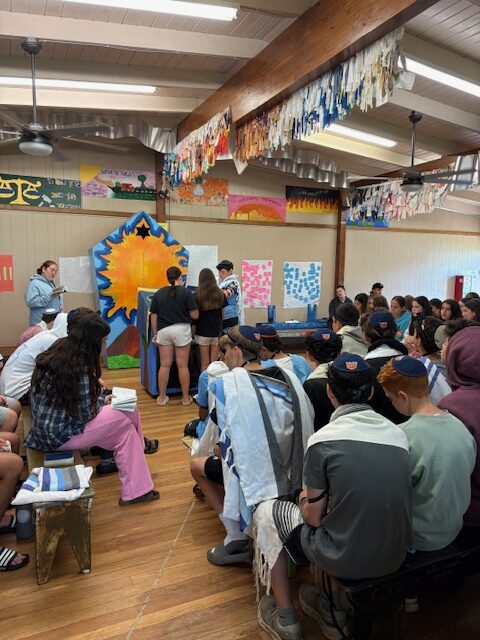

Something felt right about spending the Shabbat of July 4th on the U.S. sesquicentennial at the first Ramah camp, Camp Ramah in Wisconsin. It was the perfect setting to reflect on our foundational texts, as Jews and as Americans, and the way in which we build and maintain a culture steeped in our values. Campers had spent the week exploring the idea of civic engagement as American Jews, thinking about independence, autonomy, and communal responsibility. At Kabbalat Shabbat, camp director Jacob Cytryn explained that Ramah Wisconsin does not aspire to shield the campers from happenings in the world, but rather to provide a container in which to explore the challenges of our times through the lens of Jewish community. As kids explore the freedom and intensive Jewish community that camp provides, they have a real opportunity to assert their independence while honoring camp traditions, Jewish practice, and the leadership of their counselors and staff.
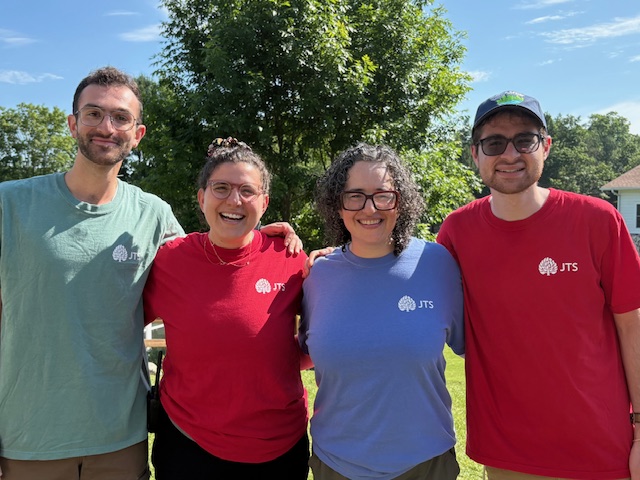
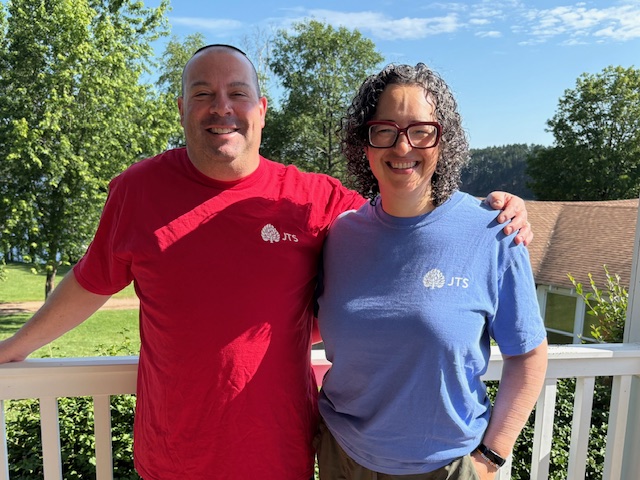
Time at camp always includes special reunions with colleagues and friends, making connections with new people, and long and fruitful conversations that can’t always happen in the bustle of daily life. It was beautiful to see our JTS rabbinical students in action as rashei edot. Rising third-year student Aaron Newman is preparing for his year of study in Israel; entering student Ari Slomka has just returned from a year of study in Jerusalem. We talked together about ways to engage with our sacred texts, whether it is trying to make them come alive for camp kids or delving deeply into study and practice as future rabbis.
It was Shabbat Pinchas, the most-read parasha of the Torah, because it contains the special maftir readings for festivals and Rosh Chodesh. When we read something so frequently, we can risk missing the details of the text because we think we know it so well. We may miss the new insights that arise when we consider a familiar text from our current vantage point. Our Torah scroll may also require repair, as the most frequently read passages might show wear and damage. We need to keep reading our texts closely, both so we can bring new questions to our ancient texts and to be vigilant about signs of damage.
This is an apt metaphor for the ways in which we must continue to return to and renew our sacred texts as Jews and Americans: the Torah and the Constitution. If we see them as relics, frozen in time, we may fail to keep them alive. Both the Torah and the Constitution are meant to enshrine our values, our rights, our freedoms, and our responsibilities to those who are vulnerable. They are also a jumping-off point for future generations to keep asking new questions. When we seek the answers to our contemporary challenges and dilemmas in those ancient words, we engage their expansiveness, so that the rights and protections they offer continue to evolve and grow. If we take them for granted, they wither and crack. The voices of kids leading one another in prayer, eagerly answering questions about the Torah and the Constitution, and experiencing the joy of summer and of Jewish ritual infuse these texts with life.
Rabbi Ayelet Cohen is the Dean of The Rabbinical School and the Division of Religious Leadership at The Jewish Theological Seminary.